You invested in gutter guards to stop climbing that ladder every few months. Now you’re wondering: Do gutter guards need to be cleaned? The short answer is yes. Even the best gutter guards require periodic maintenance to perform at their peak. The good news? You’ll clean them far less often than open gutters.
At N Gutter, we’ve installed and maintained thousands of gutter guard systems across every climate and home style. We’ve seen what works, what fails, and how proper cleaning extends the life of your investment. This guide shares everything we’ve learned from 20 years of hands-on experience in the field.
What Are Gutter Guards and How Do They Work?
Gutter guards are protective covers installed over your existing gutters. They filter rainwater while blocking leaves, pine needles, and debris from entering the gutter trough.
Different guard types use different methods:
- Micro-mesh screens use ultra-fine stainless steel to block even shingle grit
- Reverse curve designs use surface tension to pull water in while shedding debris
- Screens and meshes filter larger debris while allowing water flow
- Foam and brush inserts sit inside gutters to block debris from settling
No system blocks 100% of debris. Small particles always find their way through. That’s why maintenance matters.
Do Gutter Guards Need to Be Cleaned Out? The Definitive Answer
Quick Answer: Yes, gutter guards need cleaning. Expect to maintain them 1-2 times yearly versus 4-6 times for unprotected gutters. The cleaning process is faster and easier with guards installed.
Here’s what happens when you skip gutter guard maintenance. Debris accumulates on top of the guards. Water can’t penetrate the buildup. It overflows the edges, dumping against your foundation. In winter, trapped moisture freezes, creating ice dams that damage shingles and fascia boards.
The frequency depends on your guard type, local climate, and tree coverage. Homes surrounded by mature oak trees need more attention than properties with minimal landscaping.
Gutter Guard Maintenance Requirements by Style
Not all gutter guards demand the same level of care. Understanding your specific type helps you plan appropriate maintenance.
| Guard Type | Cleaning Frequency | Tools Needed | Removal Required? | Lifespan |
|---|---|---|---|---|
| Micro-Mesh | 1-2x yearly | Soft brush, hose | Sometimes | 20+ years |
| Reverse Curve | 1-2x yearly | Soft brush, hose | No | 15-20 years |
| Screen/Mesh | 2-3x yearly | Brush, hose, scoop | Usually | 10-15 years |
| Foam Inserts | 3-4x yearly | Hose, replacement foam | Yes | 2-5 years |
| Brush Guards | 3-4x yearly | Hose, shake clean | Yes | 3-5 years |
Table 1: Gutter Guard Types and Maintenance Requirements
Micro-Mesh Gutter Guards
Micro-mesh systems offer the best debris blocking performance. The ultra-fine stainless steel screen stops leaves, pine needles, shingle grit, and even pollen. Cleaning involves simple surface brushing 1-2 times yearly.
Most debris sits on top until wind or rain dislodges it. A quick brush with a soft-bristled broom restores full water flow. These systems last 20+ years with proper care.
Reverse Curve (Surface Tension) Guards
Reverse curve designs rely on water adhesion to pull rainfall around a curved nose and into the gutter. Large debris slides off the edge to the ground below.
These systems need the least maintenance. Occasional rinsing removes any buildup on the nose. Check the front lip twice yearly to ensure water flows properly into the trough.
Screen and Mesh Guards
Standard screens filter larger debris but allow smaller particles through. Pine needles and seed pods often penetrate the openings. Plan for 2-3 cleanings yearly, especially during heavy leaf drop periods.
Remove the screens periodically to clean accumulated debris from the gutter trough beneath. This prevents hidden clogs that can overflow during heavy rain.
Foam and Brush Insert Guards
Foam inserts fill the gutter cavity, blocking debris while allowing water to filter through. Brush guards use bristles to catch leaves while water flows between the fibers.
These DIY-friendly options require the most maintenance. Remove them completely 2-3 times yearly for thorough cleaning and inspection. Expect replacement every 2-5 years as materials degrade.
How Often Should You Clean Gutter Guards?
The ideal cleaning schedule varies based on several factors. Here’s what our field experience recommends:
Light Tree Coverage: Clean once yearly, ideally in late fall after the last leaf drop.
Moderate Tree Coverage: Clean twice yearly, in spring and fall.
Heavy Tree Coverage: Clean 3-4 times yearly, adding mid-summer and late-fall sessions.
Pine Tree Proximity: Check monthly during needle drop seasons. Pine needles require more frequent attention regardless of guard type.
Seasonal Gutter Guard Maintenance Guide
Spring (March-May): Remove pollen buildup, seed pods, and winter debris. Check for damage from ice or snow loads.
Summer (June-August): Inspect after severe storms. Clear any accumulated debris before fall leaf drop begins.
Fall (September-November): The critical season. Clean after the majority of leaves have fallen. This prevents winter ice dam formation.
Winter (December-February): Monitor for ice buildup. Clear snow accumulation from guards after heavy storms.
Signs Your Gutter Guards Need Cleaning
Watch for these warning signals that indicate your gutter guards require attention:
- Water overflowing gutter edges during rainfall
- Visible debris accumulation on guard surfaces
- Sagging gutters from excess weight
- Plants or moss growing in gutters
- Pest activity around gutter lines
- Water stains on siding or fascia boards
- Pooling water near foundation after rain
Address these signs promptly. Delayed maintenance leads to expensive repairs including foundation damage, roof leaks, and landscape erosion.
How to Clean Gutter Guards: Step-by-Step Guide
Follow this proven process for safe, effective gutter guard cleaning:
Step 1: Gather Your Tools
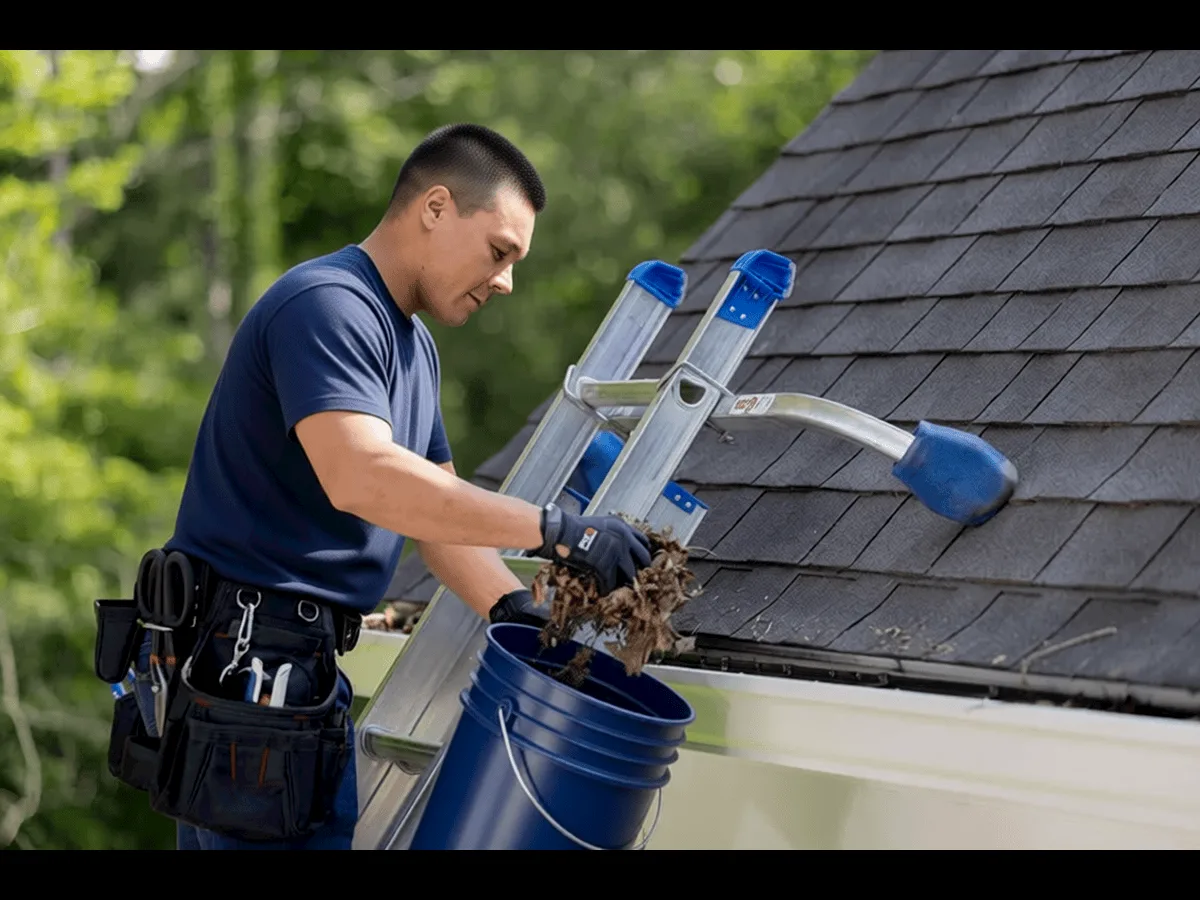
You’ll need a sturdy extension ladder with stabilizer, work gloves, safety goggles, a soft-bristle brush or gutter scoop, and a garden hose with spray nozzle. Consider a ladder standoff to protect gutters from damage.
Step 2: Set Up Safely
Position your ladder on firm, level ground. Extend it three feet above the gutter line. Never lean the ladder directly against gutters. Use a stabilizer bar to distribute weight across the roof edge.
Step 3: Remove Surface Debris
Use your hands or a soft brush to clear leaves, twigs, and debris from the guard surface. Work from the ladder position toward the downspout. Drop debris into a bucket or onto a tarp below.
Step 4: Brush Stubborn Buildup
For micro-mesh and screen guards, use a soft-bristle brush to dislodge stuck-on dirt and shingle grit. Brush gently to avoid damaging the mesh. Work in the direction of water flow.
Step 5: Rinse Thoroughly
Spray the guards with your garden hose, directing water toward the downspouts. This flushes away loosened debris and verifies proper drainage. Check that water flows freely through the downspout exit.
Step 6: Inspect and Address Issues
While cleaning, examine guards for damage, loose fasteners, or separation from the gutter edge. Note any sections requiring repair or replacement. Check gutters beneath removable guards for hidden debris.
Safety Note: Ladder falls send over 500,000 people to emergency rooms annually. If you’re uncomfortable working at heights, hire a professional. The cost of professional cleaning is far less than medical bills from an accident.
DIY vs. Professional Gutter Guard Cleaning: Cost Comparison
Understanding the true costs helps you make an informed decision about maintaining your gutter guards.
| Cost Factor | DIY Cleaning | Professional Cleaning | Notes |
|---|---|---|---|
| Per Cleaning | $35-75 | $162-275 | Varies by home size |
| Annual (1-2x) | $70-150 | $162-486 | Based on frequency |
| Equipment | $300-600 | Included | Ladder, tools, safety gear |
| Time Required | 1-3 hours | 30-90 min | Per cleaning session |
Table 2: Annual Gutter Guard Maintenance Costs
DIY maintenance saves money but requires time, proper equipment, and comfort with ladder work. Professional services include thorough inspection, damage identification, and guaranteed results.
Consider professional cleaning at least once yearly even if you handle routine maintenance yourself. Professionals spot developing issues that untrained eyes miss.
Frequently Asked Questions
Can gutter guards get clogged?
Yes, all gutter guards can clog. Debris accumulates on top of guards, blocking water penetration. Fine particles like shingle grit and pollen can also clog micro-mesh screens. Regular cleaning prevents these issues.
How long do gutter guards last?
Lifespan varies by material and maintenance. Quality micro-mesh and reverse curve systems last 20+ years with proper care. Screen guards typically last 10-15 years. Foam and brush inserts need replacement every 2-5 years.
Do gutter guards cause ice dams?
Gutter guards don’t directly cause ice dams. Poor attic insulation and ventilation create the conditions for ice dam formation. However, clogged guards can trap water that freezes and contributes to ice buildup. Keep guards clean to minimize this risk.
Can I use a pressure washer on gutter guards?
Use caution with pressure washers. Low pressure (under 2,600 PSI) works for foam and brush guards. For micro-mesh and screens, stick to garden hoses with spray nozzles. High pressure can damage mesh, loosen fasteners, or force water under shingles.
Is there a downside to gutter guards?
The main downsides are initial cost and the fact that maintenance isn’t completely eliminated. Cheap DIY guards often cause more problems than they solve. Invest in quality professionally installed systems for the best long-term value.
How do I clean under gutter guards?
Removable guards lift out for gutter access. Fixed systems require cleaning from above. For surface-tension guards, cleaning from the top is usually sufficient. If debris gets beneath fixed guards, professional cleaning with specialized tools may be needed.
Final Thoughts
Gutter guards represent a smart investment for most homeowners. They dramatically reduce cleaning frequency while protecting your home from water damage. The key is understanding that “low maintenance” doesn’t mean “no maintenance.”
Plan for annual inspections and cleanings based on your specific guard type and local conditions.
At N Gutter, we help homeowners maintain their gutter systems year-round. Whether you need professional cleaning, guard installation, or expert advice, our team brings decades of field experience to every job. Contact us to discuss your gutter maintenance needs.